Guiding with David Begoun

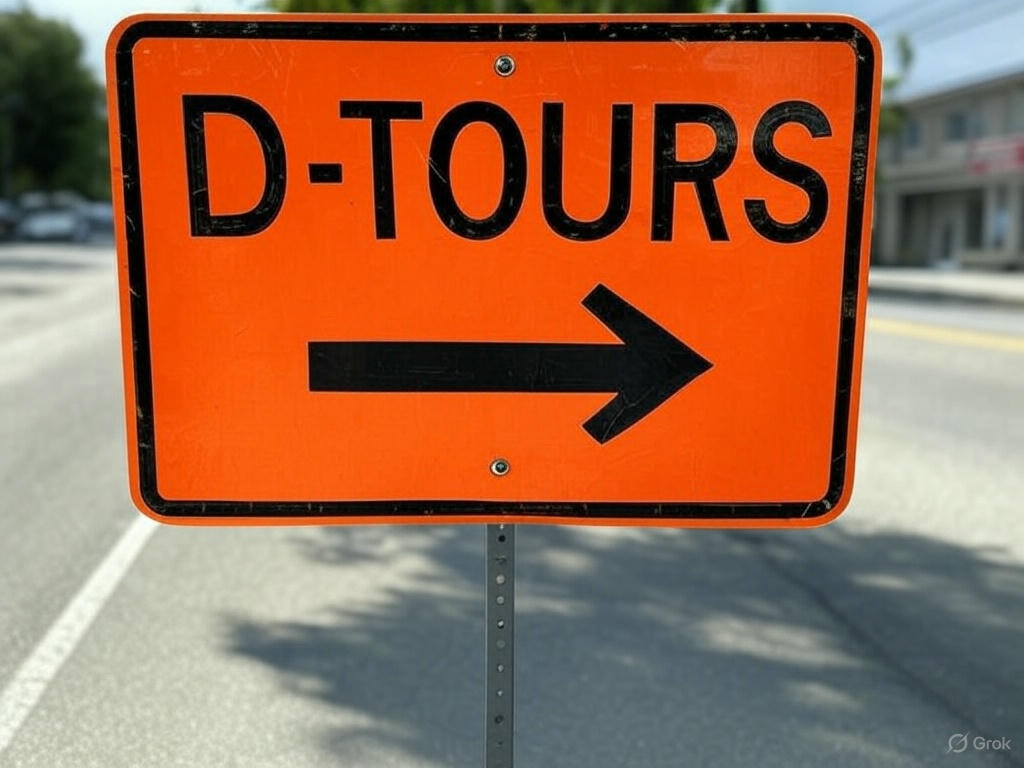
D-Tours.

D-Tours is David Begoun's way of guiding in Jerusalem — and across Israel. Nothing is ever on the beaten path. Everything is a D-Tour off it.

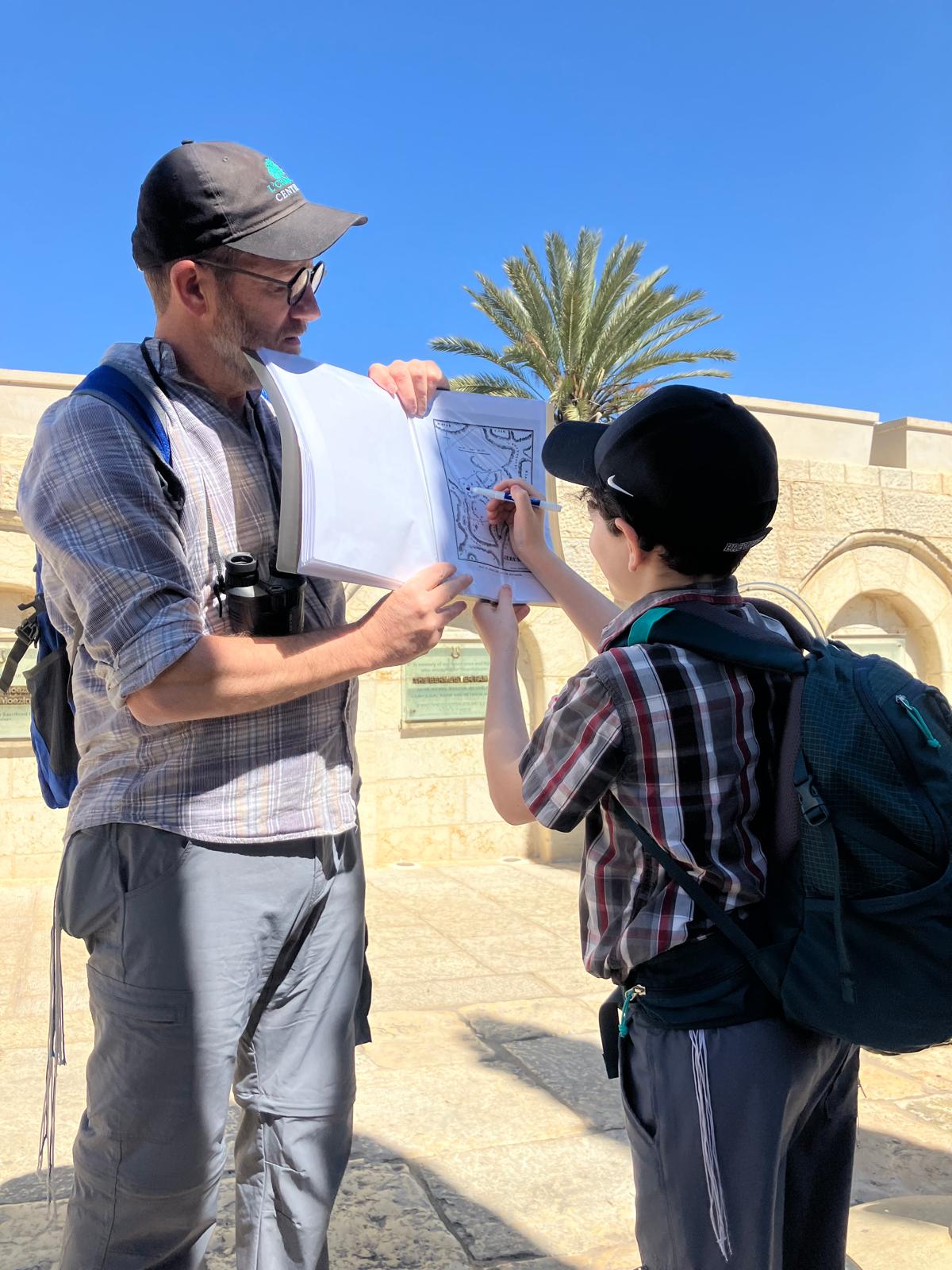
See Jerusalem from the inside, the way you'd never see it on a typical tour: through side streets, ancient tunnels, rooftop views, forgotten hills, and the people who actually live the story.

D-Tours sign

The D-Tours

A starting menu — every D-Tour can be shaped around your group, pace, and interests.

The Four Quarters of the Old City

The Four Quarters of the Old City

One walled city. Four worlds.

Wind through the Jewish, Muslim, Christian, and Armenian Quarters — cutting through hidden alleys, rooftops, and courtyards most visitors walk right past. You'll meet the Old City the way locals move through it: layer by layer, quarter by quarter, story by story.
In the Path of the Patriarchs — Hebron & Gush Etzion

In the Path of the Patriarchs — Hebron & Gush Etzion

Where the story of a people begins.

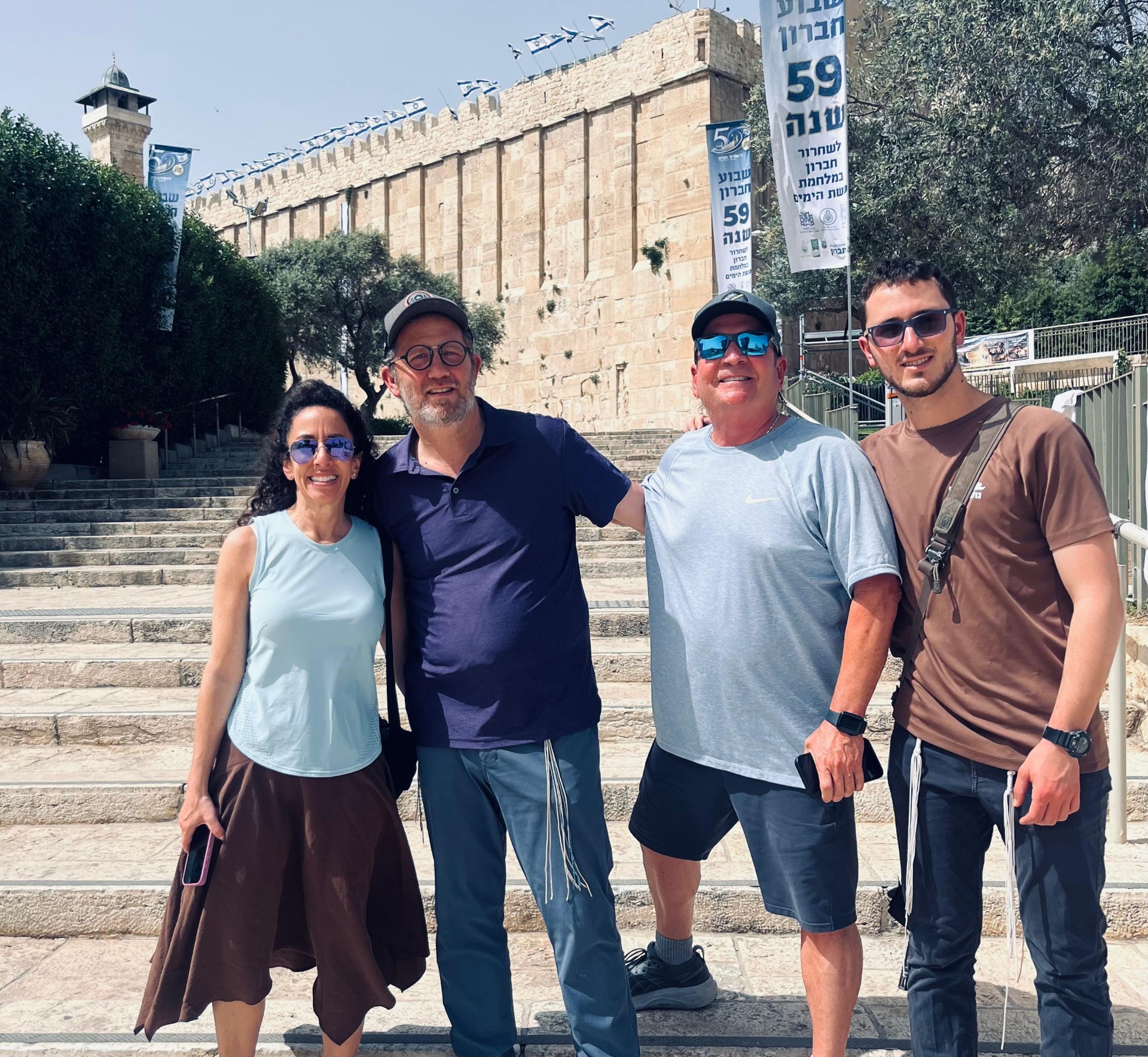
From the Cave of Machpelah in Hebron up through the vineyards and hilltops of Gush Etzion, this is a walk along the spine of the Book of Genesis. Abraham, Isaac, and Jacob aren't characters here — they're neighbors. Modern Israel and ancient roots stand side by side on the same ridge.

Ancient Jerusalem — City of David & Herodian Jerusalem

Ancient Jerusalem — City of David & Herodian Jerusalem

Walk the Jerusalem of Kings and Priests.

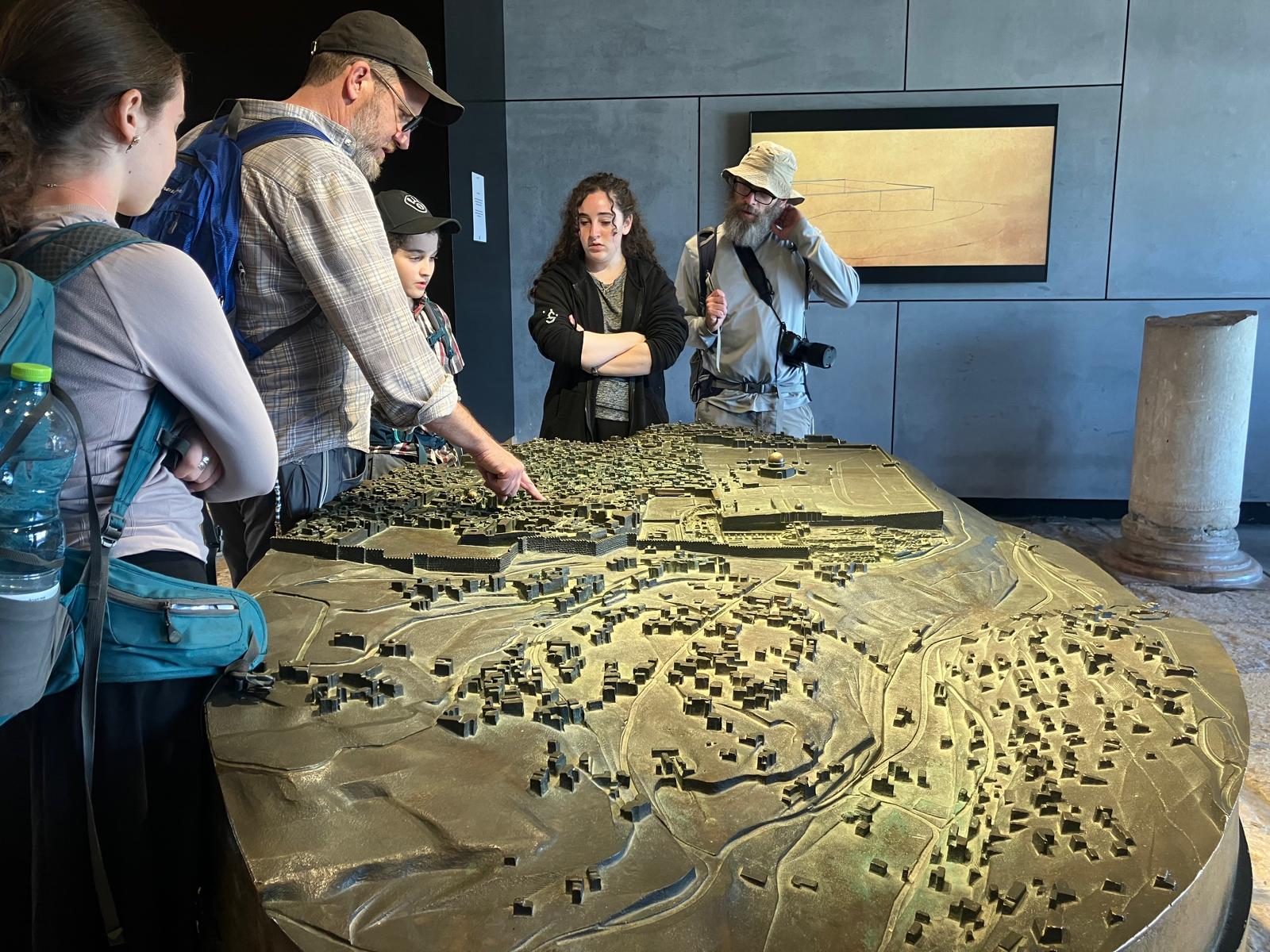
Descend into the original Jerusalem — David's citadel, Hezekiah's tunnel, the pilgrimage road climbing up to the Second Temple. We stand where the Bible was lived and dig into the layers Herod left behind, until the modern city above starts to look very different.

The New City

The New City

Jerusalem after the walls came down.

The story of modern Jerusalem — the neighborhoods built by dreamers, the shuk, the shifting seam between old and new, and the choices that shaped a capital in a single century. Cafés, markets, monuments, and the quiet corners where the city is still being written.

The Jewish Quarter — Before & After 1967

The Jewish Quarter — Before & After 1967

Destroyed, exiled, rebuilt.

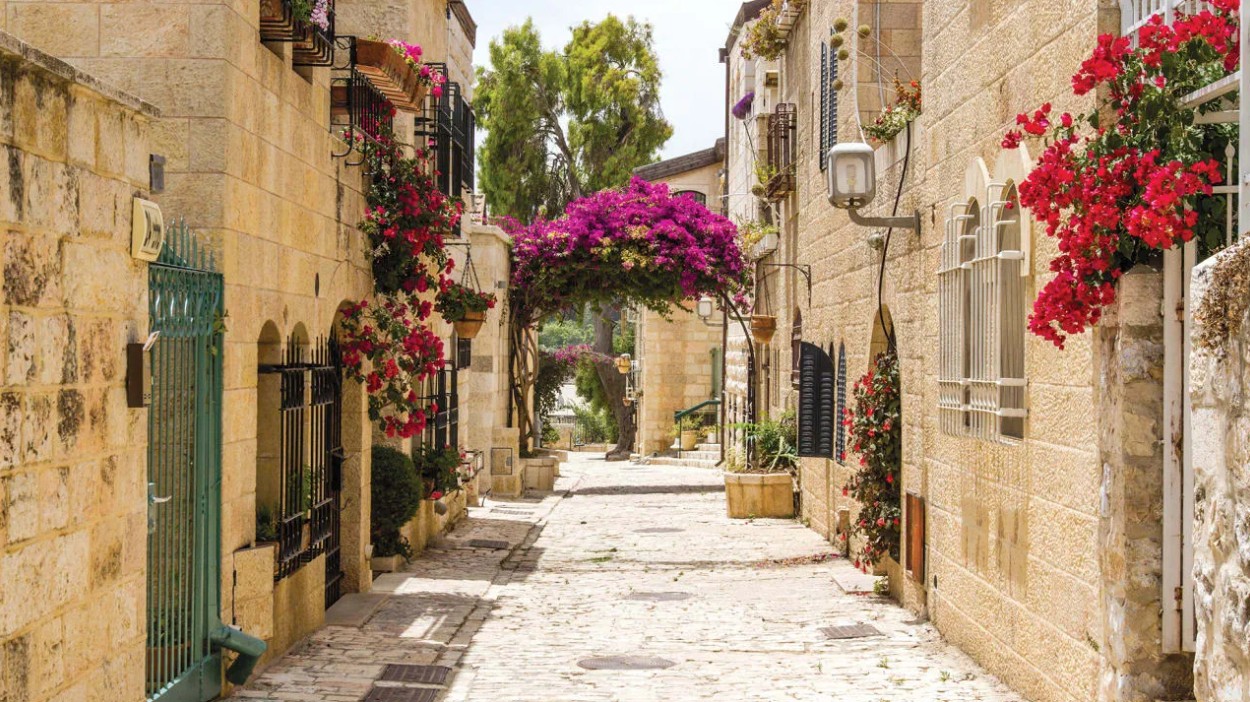
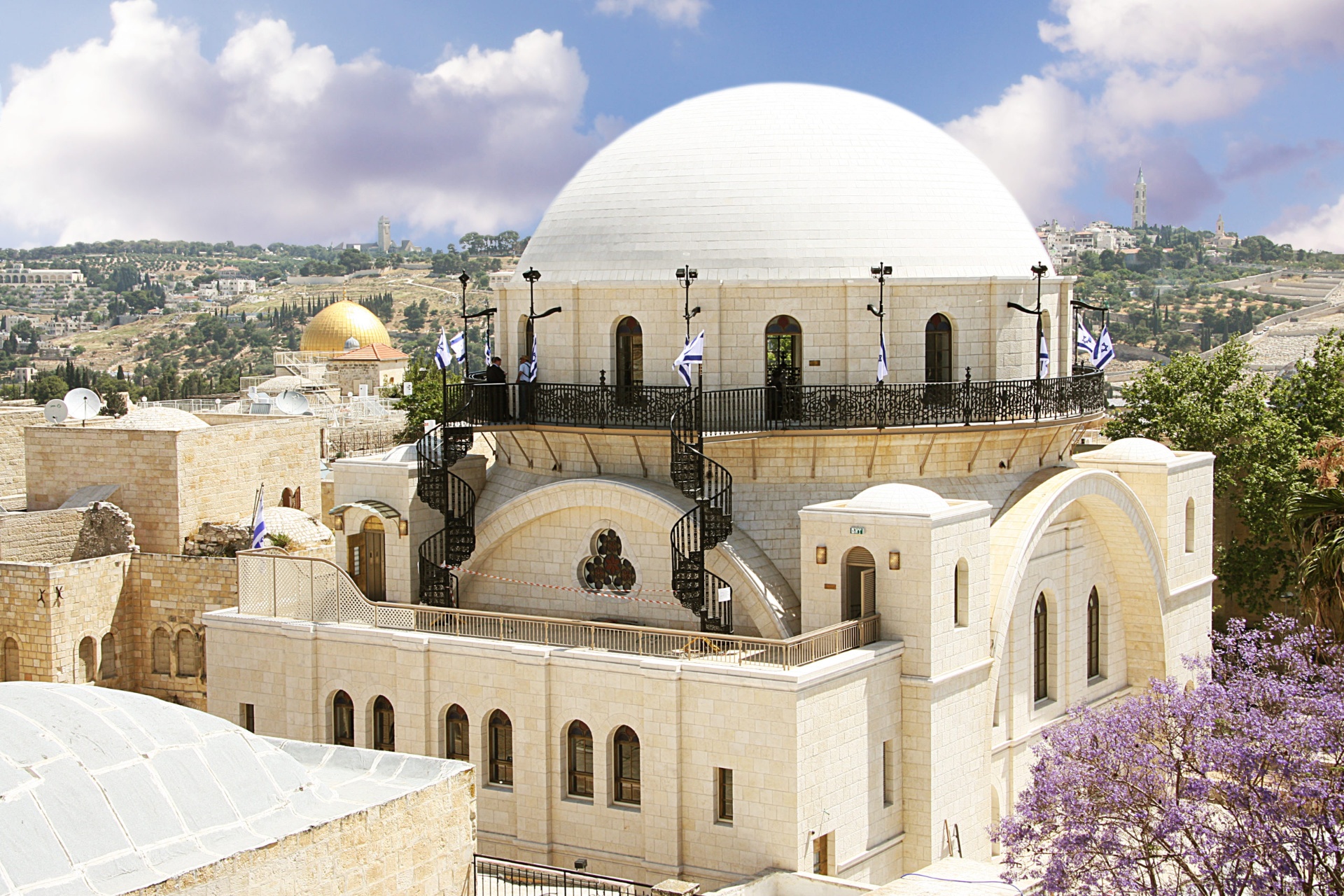
In 1948, after the War of Independence, the Jewish Quarter of the Old City fell to the Jordanian Legion. Its synagogues were dynamited, its residents expelled, and for nineteen years no Jew could pray at the Kotel. Walk the Cardo, the rebuilt Hurva, and the quiet courtyards that came back to life after 1967 — and hear how a quarter was raised out of its own rubble.

The Muslim Quarter — Mamluks, Ottomans & Stone

The Muslim Quarter — Mamluks, Ottomans & Stone

A deep dive into the Old City's largest quarter.

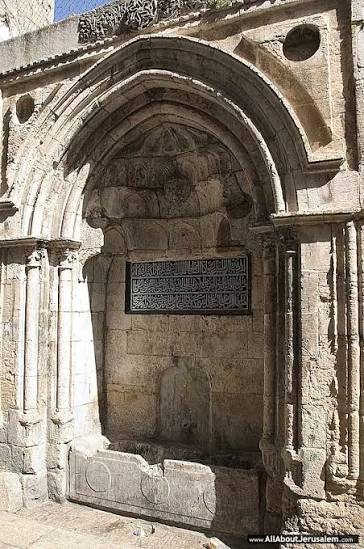
The Muslim Quarter holds some of the most extraordinary Mamluk and Ottoman architecture in the world — striped facades, carved portals, madrasas, fountains, and market streets layered on Crusader and Roman bones. We move slowly through the alleys, reading the stones, the inscriptions, and the centuries that built the quarter you see today.

Jewish Life in the Muslim Quarter

Jewish Life in the Muslim Quarter

A story most people don't know.

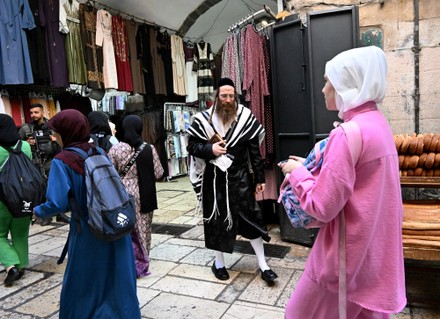
Before the 1929 riots, as many as 5,000 Jews lived deep inside what is today called the Muslim Quarter. After 1967, quietly and steadily, Jewish families began returning to those same alleys and courtyards. Meet some of the people living there now and hear firsthand what life looks like on the other side of the Old City.

Have somewhere else in mind?

Every D-Tour is custom-built. Tell David where you want to go — or let him surprise you.